
The Engineering Services Examination (ESE) 2026 is one of the most prestigious exams for engineers aspiring to join the Indian Engineering Services (IES). Every year, thousands of candidates from diverse engineering backgrounds strive hard to secure government positions in departments such as the Railways, Central Engineering Services, and Public Works.
As the 2026 exam approaches, candidates must understand the latest trends, eligibility criteria, exam pattern, preparation tips, and job prospects. This guide covers all the information you need to excel in ESE 2026 and build a promising career in engineering services.
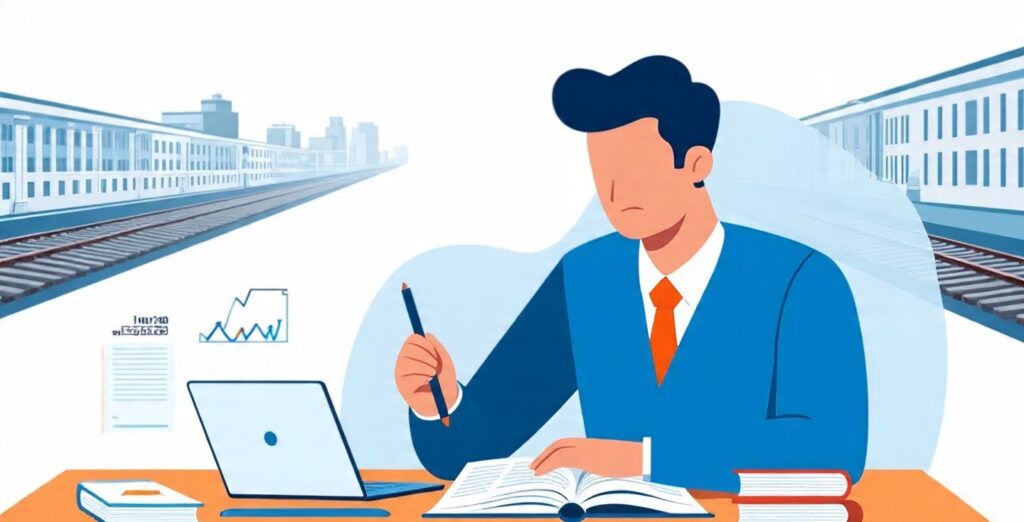
What is the Engineering Service Examination (ESE)?
The Engineering Service Examination (ESE), also called the Indian Engineering Services (IES) Exam, is conducted by the Union Public Service Commission (UPSC) annually. It recruits engineers for civil, mechanical, electrical, and electronics & telecommunication streams into various government departments.
Key highlights:
- Conducting Body: UPSC
- Frequency: Once a year
- Streams: Civil, Mechanical, Electrical, Electronics & Telecommunication
- Mode: Offline Written Exam (Prelims & Mains) followed by Personality Test/Interview
The exam evaluates a candidate’s technical knowledge, analytical ability, and problem-solving skills, ensuring that only highly qualified engineers enter government services.
Eligibility Criteria for ESE 2026
| Criteria | Details |
|---|---|
| Nationality | Indian citizen |
| Age Limit | 21–30 years (General); Relaxation for OBC/SC/ST/Other categories as per UPSC rules |
| Educational Qualification | Bachelor’s degree in relevant engineering stream (Civil, Mechanical, Electrical, Electronics & Telecommunication) |
| Physical Standards | Candidates must meet medical and physical standards prescribed by UPSC |
| Attempts | General: 4, OBC: 7, SC/ST: No limit until age criteria |
| Final Year Students | Eligible to apply, provided they complete their degree before joining |
ESE 2026 Exam Pattern
| Stage | Type | Marks | Duration | Focus |
|---|---|---|---|---|
| Preliminary Exam (Stage 1) | Objective Type Questions | 500 | 2 papers | Paper I: General Studies & Engineering Aptitude; Paper II: Engineering Discipline |
| Mains Exam (Stage 2) | Conventional Type Questions | 600 (Paper I: 300, Paper II: 300) | 2 papers | In-depth technical knowledge of candidate’s engineering discipline |
| Personality Test Interview (Stage 3) | Interview | 200 | 30–45 minutes | Assessment of personality, leadership, decision-making, and problem-solving skills |
Preparation Tips for ESE 2026
1. Understand the Syllabus Thoroughly
The syllabus covers engineering subjects, general studies, current affairs, and aptitude. Make sure to focus on both technical and non-technical subjects.
2. Practice Previous Year Papers
Solving previous year papers helps aspirants understand exam trends, question patterns, and difficulty levels.
3. Time Management
Candidates should divide time efficiently between preparation, revision, and mock tests. Consistency is key to scoring well.
4. Reference Books & Study Materials
- Technical Subjects: Standard engineering textbooks
- General Studies & Aptitude: NCERT, UPSC manuals, and online resources
- Current Affairs: Newspapers, government portals, and news apps
5. Join Coaching or Online Courses (Optional)
While self-study is enough for many, coaching or online courses can provide structured guidance and doubt-clearing sessions.
Career Prospects and Job Opportunities
ESE 2026 opens doors to a prestigious and secure career in government engineering services.
- Departments: Railways, Central Public Works Department (CPWD), Defense, Telecom, and other central departments
- Job Roles: Assistant Executive Engineer, Junior Engineer, Executive Engineer, and higher managerial positions
- Salary & Benefits: Competitive salary with allowances, job security, pension, and career growth opportunities
Government engineers also enjoy respectable positions, travel allowances, housing benefits, and a chance to contribute to national development projects.
FAQs
1. When will the ESE 2026 notification be released?
UPSC usually releases the official notification 6–8 months before the exam, typically around November–December 2025.
2. Can final-year engineering students apply for ESE 2026?
Yes, candidates in their final year of engineering are eligible to apply, provided they complete their degree before joining.
3. How many attempts are allowed for ESE 2026?
The number of attempts depends on age and category. General candidates: 4 attempts, OBC: 7 attempts, SC/ST: no limit until age criteria.
4. What is the exam fee for ESE 2026?
The standard UPSC application fee is around ₹200 for general male candidates. Female, SC/ST, and PwD candidates are usually exempted.
5. Which books are recommended for ESE preparation?
Standard textbooks for each engineering discipline, NCERT for basics, and UPSC manuals for general studies are highly recommended.
Conclusion
The Engineering Service Examination 2026 is a gateway for engineers aiming for a prestigious government career. With proper planning, focused preparation, and consistent practice, aspirants can secure high ranks and achieve their professional goals. Staying updated with latest notifications, exam trends, and preparation strategies ensures success in this highly competitive exam.
ESE not only promises a stable and rewarding career but also offers engineers a chance to contribute to national infrastructure and development projects.