
The Deepika Padukone Hijab Controversy Explained
Bollywood’s shining star, Deepika Padukone Hijab Controversy, has found herself in the midst of yet another social media storm over her hijab controversy. Last week, a promotional video of Deepika and her husband, actor Ranveer Singh, for the Abu Dhabi Tourism went viral as there was a lot of noise about what she wore.
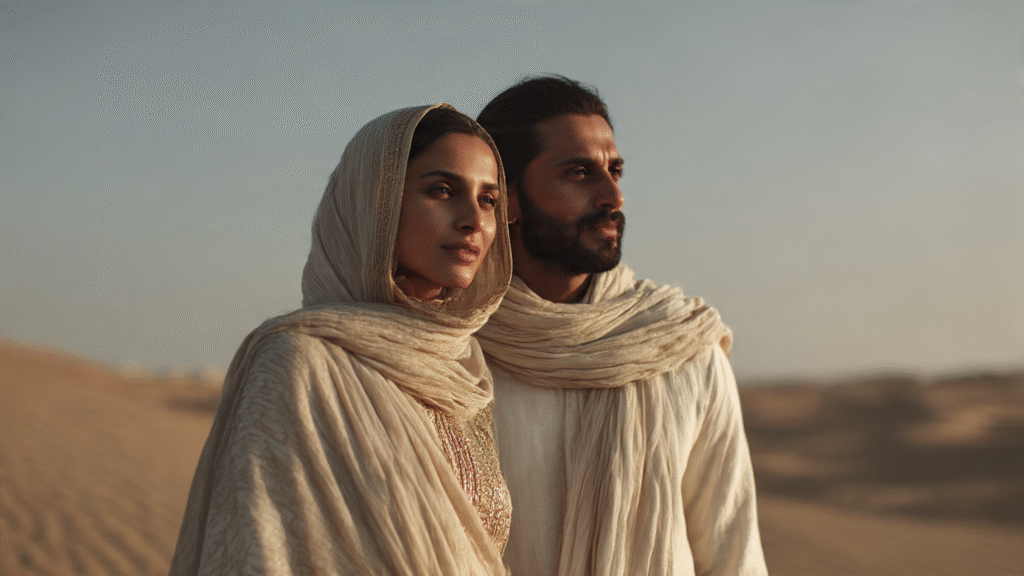
Deepika, in the clip, wears a long, flowing robe with her head modestly covered — which many online spectators say they recognize as a “hijab.” Within hours, all manner of feels were spreading on
How It Started Deepika Padukone Hijab Controversy
The ad highlights Abu Dhabi as a top place for a luxury trip. In it, Ranveer and Deepika go to the city’s famous landmarks, beautiful spots, and the wide sandy areas. In one scene, Deepika wears a long, stylish dress that covers her head. This dress looks like the abaya, which is a well-known traditional Middle Eastern outfit.
As soon as this picture came out, the critics started to call it a “hijab.” Many people on social media said that Deepika, who has shown up for India at big events like Cannes and the Oscars, was trying to change who she is. Some also asked why she does not feel as happy about Indian customs, especially when she is there for her country.
Many people got it wrong at first. A lot of Indian and international media outlets came out and said that Deepika was not wearing a hijab. She was wearing an abaya, and that is something else. A hijab is a headscarf. Muslim women wear it as part of their religious practice. An abaya is a long robe that goes down to the feet. Women often wear it in Arab countries because of culture or for modesty. The abaya is mainly worn when out or at religious places.
Why She Wore It
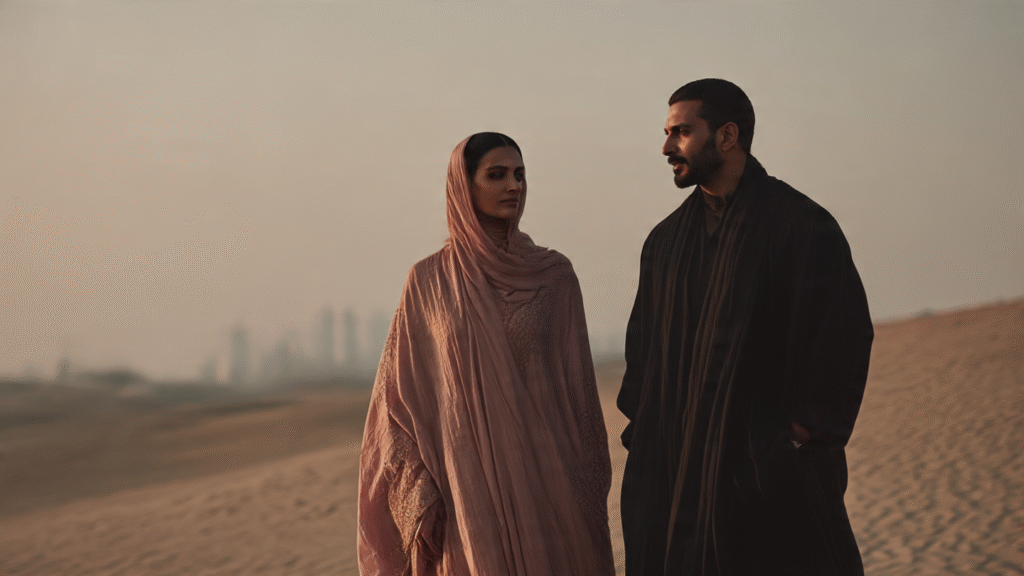
Reports say the Abu Dhabi Tourism shoot took place in many open spots. These spots were close to places of worship. In these places, people usually wear modest clothes. That means the abaya or covering your head is worn out of respect for the culture. It is not always about religion.
Deepika wore this outfit because the people working with her wanted it. The choice was not about what she wanted. It was not about making a point in politics. People who know a lot about fashion say her look mixed nice style and respect for the traditions where she was working. When big stars go to other places to film, they dress in a way that fits in with the local customs.
Public Reaction to Deepika Padukone Hijab Controversy
The public has strong and mixed opinions about this. Some people online said Deepika was trying to be “selectively cultural.” They feel she wore those clothes just to make the Arab people happy. A few linked it to times before when she spoke up on things happening in India. They say she did not act the same now.
But just as fast, many fans and important people stood up for her. Supporters said that she was only showing respect to the local people, and that is normal for anyone who is traveling or doing their job in another place. One person on X (in the past, this was called Twitter) wrote, “She’s representing India gracefully and respecting Arab traditions. Why turn everything into a controversy?”
Some people said that Deepika is known for always being calm and graceful, especially when she is at world events. This can be seen in her Met Gala appearances and when she represents brands across Asia and the Middle East. They said that the negative comments really show what the critics feel, not her actions.
Media Clarifications
Big news sources like NDTV, The Times of India, and Hindustan Times helped people know what was going on. They said that Deepika did not wear a hijab. She wore a traditional abaya. A lot of the criticism happened because people saw it wrong. NDTV called it a “plot twist.” They showed how fast wrong ideas go around when different culture facts are not shared.
The gap between these two clothes might say little to some people. But it tells us something much bigger — how fast talk on the internet can mix up facts, more so when things like religion or who we feel we are get talked about.
The Bigger Picture
This is not just about what Deepika wore. The main thing is the growing gap that people feel and talk about on social media. Now, every move, every outfit, or thing a well-known person says gets read with a political meaning. A simple choice for an ad and its design can become a big point of anger and talk online.
It also shows that global celebrities like Deepika need to balance local customs with what people want in their home country. She and others have millions of fans who follow the them in many places. People often watch what these stars do very closely, and sometimes, judge them in a way that is not fair.
Experts in media ethics say that adapting to a new culture is not the same as taking something from it in a bad way. When people wear clothes that are normal in a place, like for tourism ads, it shows respect for those people. It does not mean giving in. Deepika wore an abaya in the UAE. She did what many women who visit this place do every day.
Conclusion Deepika Padukone Hijab Controversy
The Deepika Padukone “hijab” issue shows how fast people can get upset in the time of social media. What started as a simple tourism ad turned into a talk about culture, faith, and who we are.
Deepika was not wearing a hijab. She wore an abaya, which is a traditional dress that people in the UAE use to show respect for local customs. This shows how, now, people often look at what famous people do and see something political or cultural, even if they do not check if it is true.
In the end, this talk is really about how people see things, not about Deepika. As big stars like her work with people from many places, it’s good for us to know about being careful with culture and not giving up who we are. We need to keep in mind that showing respect to another culture does not mean you stop showing respect for your own.
In the end, the Deepika Padukone Hijab Controversy reflects how misinformation and assumptions can shape public opinion faster than facts.