
Govardhan Puja is one of the most spiritually rich and meaningful festivals in the Hindu calendar. Celebrated on the fourth day of Diwali, it is a day that honors faith, nature, and the timeless wisdom of Lord Krishna. While many people see it as a ritual involving offerings and prayers, the essence of Govardhan Puja goes much deeper. It teaches us about humility, gratitude, and the importance of living in harmony with the natural world.
The Story Behind Govardhan Puja
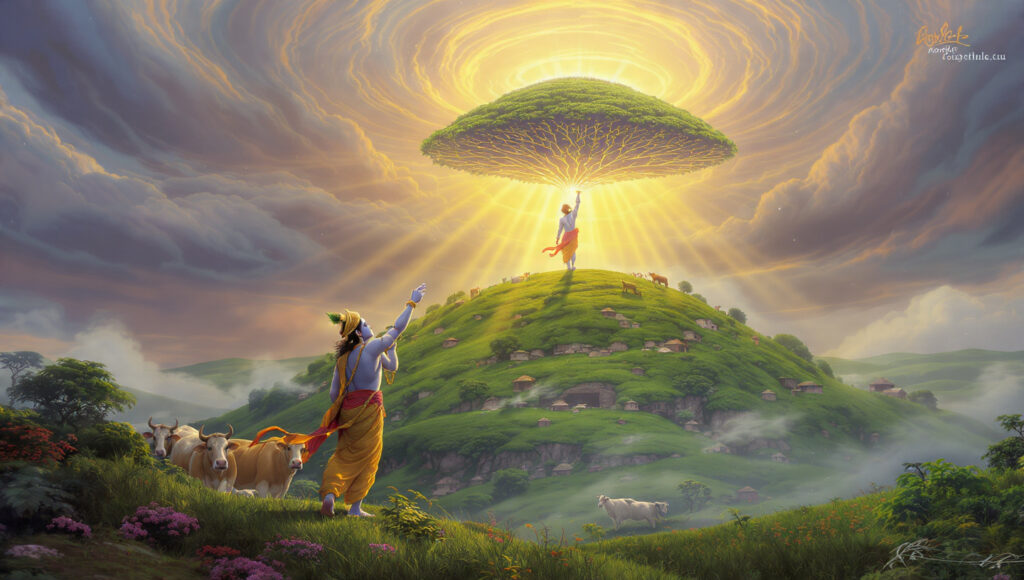
The legend of Govardhan Puja comes from the Bhagavata Purana. In the village of Vrindavan, people once worshipped Lord Indra, the god of rain, believing he controlled their harvests and prosperity. However, young Lord Krishna questioned this practice. He explained that it was not Indra who gave them food and water, but Govardhan Hill, the earth, and the cows that provided for them every day. Krishna encouraged the villagers to worship Govardhan Hill instead, as it symbolized nature’s abundance and the true source of sustenance.
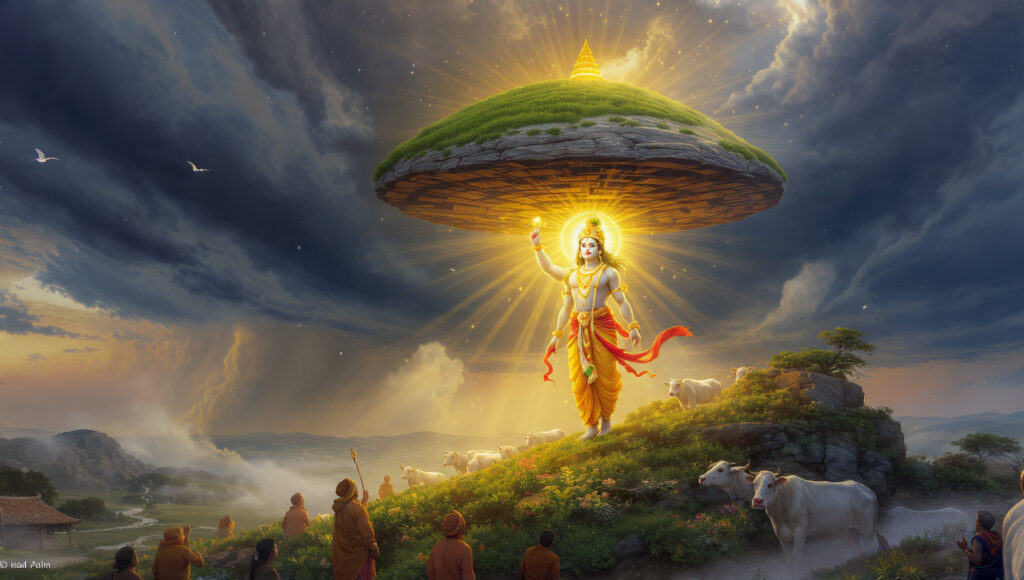
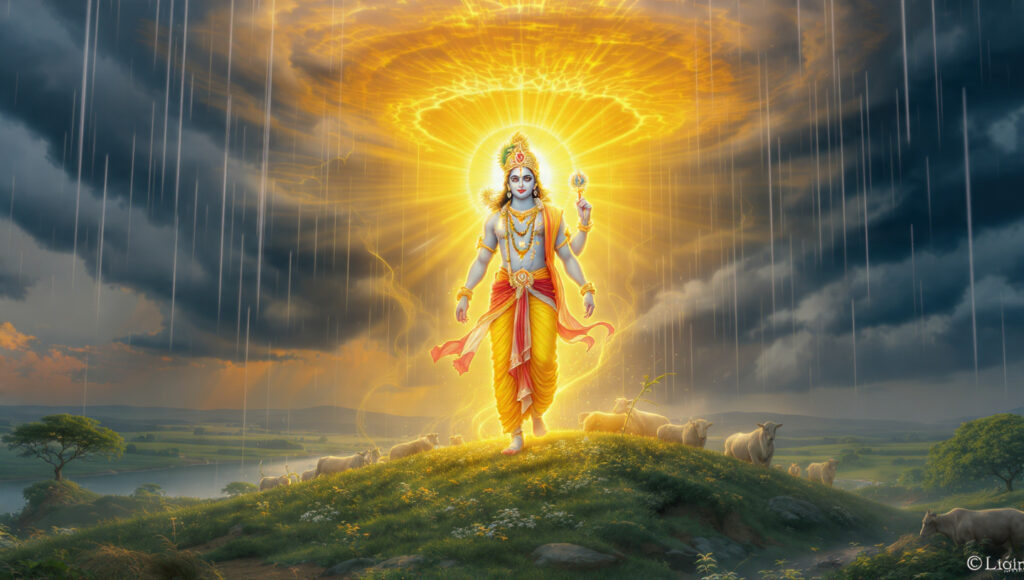
Indra was furious at this act of defiance. To punish the villagers, he sent heavy rains and thunder to destroy Vrindavan. Seeing his people suffer, Lord Krishna lifted Govardhan Hill with his little finger, creating a vast shelter where everyone and their cattle could take refuge. For seven days, the storm raged on, but Krishna held the mountain steady, protecting everyone beneath it. Humbled by Krishna’s divine power and compassion, Indra realized his mistake and stopped the storm. Since then, people celebrate Govardhan Puja to remember Krishna’s act of love and protection.
The Meaning Behind the Rituals
Every part of Govardhan Puja carries deep symbolism. The act of worshipping a hill reminds us that nature itself is divine. It’s not just about building temples or lighting lamps—it’s about showing gratitude to the earth that feeds us, the rain that nourishes our crops, and the animals that support our livelihoods.

One of the main rituals of the festival is creating small hill-like structures made from cow dung or clay, decorated with flowers and food. These symbolize Govardhan Hill and serve as a reminder of Krishna’s message: that devotion and care for nature are more meaningful than mere ritualistic worship. People also prepare a special feast known as “Annakut”, meaning “mountain of food.” This grand offering includes hundreds of vegetarian dishes, fruits, and sweets arranged in a mound, representing abundance and gratitude. The food is then distributed as prasadam, or blessed food, symbolizing equality and sharing.
Spiritual Significance of Govardhan Puja
Beyond its rituals, Govardhan Puja teaches several spiritual lessons that are still relevant today.
1. Faith Over Fear:
When Indra unleashed his wrath, the people of Vrindavan were terrified. But Krishna asked them to trust him. Their faith gave them courage, and they found protection under the Govardhan Hill. The story reminds us that faith in the divine, and in goodness, can help us overcome life’s toughest storms.
2. Humility and Ego:
Indra’s anger came from pride, while Krishna’s act came from compassion. The festival reminds us that true power lies in humility, not arrogance. Even gods can learn from their mistakes, and humanity thrives when we lead with kindness rather than ego.
3. Harmony with Nature:
The core message of Govardhan Puja is environmental. Krishna encouraged people to worship the land, water, and animals instead of unseen deities. This idea was centuries ahead of its time. In an age of deforestation, pollution, and climate change, the festival’s message—to protect and honor nature—feels more urgent than ever.
How Govardhan Puja is Celebrated Today
Across India, Govardhan Puja is observed with devotion and joy, especially in regions like Uttar Pradesh, Gujarat, and Rajasthan. In Mathura and Vrindavan, where the story originated, the celebrations are grand and filled with devotion. Temples create massive food displays for the Annakut, offering hundreds of dishes to Lord Krishna. Devotees sing bhajans, perform aarti, and walk in circles around the symbolic Govardhan mound, expressing their gratitude to nature and God.
In homes, families clean their surroundings, decorate their doorways with flowers, and create small replicas of Govardhan Hill using natural materials. Children enjoy helping their parents prepare sweets and decorate the offerings. The day ends with prayers for prosperity, happiness, and harmony in life.The Modern Relevance of Govardhan Puja
In today’s fast-paced world, many festivals risk losing their deeper meaning, becoming only about rituals and customs. But Govardhan Puja continues to stand out because of its simple yet profound message. It calls for gratitude toward nature, compassion for all living beings, and humility before the forces that sustain life.
This ancient festival teaches that worship isn’t just about lighting lamps or offering food—it’s about recognizing the sacredness in everything around us. The mountain that Krishna lifted symbolizes both protection and responsibility. Just as he cared for his people and the environment, we too must protect our planet and live responsibly.
Conclusion
Govardhan Puja is more than a story from Hindu mythology—it’s a timeless lesson in faith, humility, and environmental respect. It reminds us that true devotion lies in understanding and gratitude, not just ritual. As we celebrate this festival each year, let’s remember Krishna’s message: honor the earth, live with compassion, and trust in the divine that protects and guides us all.