
Indian Railways 2026 expansion: Indian Railways is not just moving people from one place to another. It connects families, fuels businesses, supports tourism, and keeps the country running. Now, that lifeline is getting a serious upgrade.
By 2026, Indian Railways plans to transform the way India travels. This expansion is not about adding a few new trains. It is about faster journeys, better comfort, cleaner energy, and reaching places that were once difficult to access.
For everyday passengers, this means less waiting, smoother rides, and more reliable connections. Let’s break down what this big railway push really looks like.
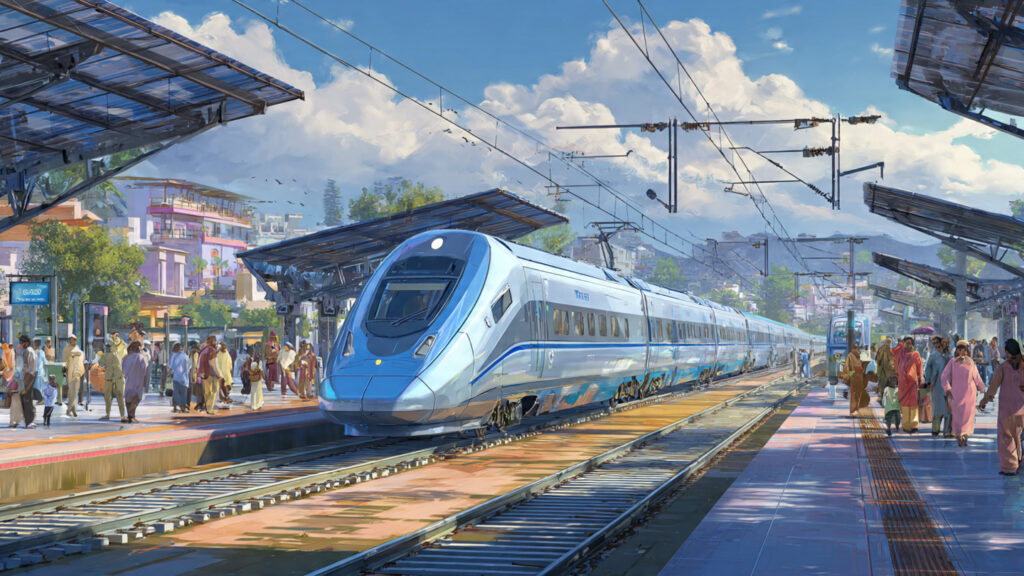
The Core Ideas Behind the 2026 Railway Plan
The expansion is built around a few clear goals: speed, accessibility, comfort, and sustainability. These ideas appear across various types of trains and infrastructure projects.
1. Vande Bharat Express: From Showcase to Mainstream
Vande Bharat Express has already become the face of modern Indian Railways. By 2026, the target is to run more than 400 Vande Bharat trains across the country.
More Routes
These trains will increasingly connect state capitals, industrial hubs, and major tourist destinations. On many routes, travel time could drop by 25 to 50 percent.
2. Amrit Bharat Trains: Comfort for the Common Passenger
Not everyone travels premium, and Indian Railways knows that. The Amrit Bharat trains are designed to fill the gap between high-end trains and slower mail or express services.
Why they matter:
- Push-pull design with engines at both ends for quicker acceleration
- LHB coaches for better safety and ride quality
- Improved seating, cleaner toilets, and sealed gangways
These trains are expected to become the backbone of travel on busy, non-premium routes.
3. Tourism and Luxury Get a Boost
Railways are also focusing on travel experiences, not just transport.
Vistadome Coaches
Glass-roof coaches will expand on scenic routes across the Himalayas, Northeast India, Western Ghats, and coastal regions.
Bharat Gaurav Trains
These themed trains focus on culture and pilgrimage circuits such as Ramayana, Buddhist, and Jyotirlinga routes, making spiritual travel more organized and comfortable.
Premium Sleeper Services
Luxury sleeper variants, including advanced Train 18-based designs, are expected to redefine overnight rail travel.
4. Infrastructure: The Silent Game Changer
New trains only work if the tracks can support them. A major part of the 2026 plan focuses on the foundation.
Key developments include:
- Dedicated Freight Corridors that move cargo off passenger routes
- Upgrading existing lines for speeds of 130 to 160 kmph
- Near-complete electrification of broad-gauge routes
- New lines and track doubling in Jammu and Kashmir, the Northeast, and central India
This behind-the-scenes work will improve punctuality across all train categories.
5. A Greener Railway Network
Sustainability is now part of railway planning.
Expect to see:
- Hydrogen fuel cell and battery-electric trains on short routes
- Solar-powered stations and onboard systems
- Reduced diesel usage and lower emissions
The goal is a railway system that grows without increasing its environmental footprint.
What This Means for Passengers
Faster Journeys
Upgraded tracks and modern trains mean less time spent traveling.
More Options
Higher frequency and better scheduling improve ticket availability.
Better Comfort
Cleaner coaches, improved seating, and modern amenities even in non-premium trains.
Economic Growth
Better connectivity supports tourism, local businesses, and regional development.
Challenges Ahead Indian Railways 2026 expansion
Such a massive plan is not without obstacles. Land acquisition, funding, and execution delays remain real concerns. However, with infrastructure development being a national priority, the momentum behind this expansion is strong.
Final Take Indian Railways 2026 expansion
The Indian Railways 2026 expansion is not just about speed or shiny new trains. It is about making rail travel work better for everyone, from daily commuters to long-distance travelers and pilgrims.
If executed well, this transformation could redefine how India moves, bringing the country closer, faster, and more comfortably than ever before.
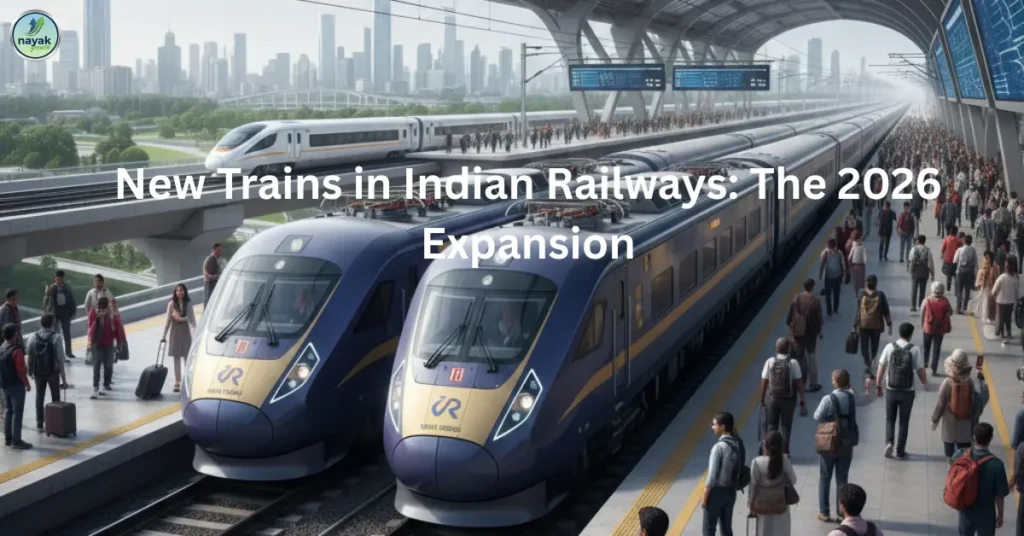
FAQs Indian Railways 2026 expansion
How many Vande Bharat trains are planned by 2026?
The target is over 400 operational trains across multiple corridors.
Vande Bharat vs Amrit Bharat: what’s the difference?
Vande Bharat is semi-high-speed and premium-focused, mainly for daytime travel. Amrit Bharat is designed for mass travel with better comfort and sleeper options.
Are new sleeper trains coming?
Yes, especially the Vande Bharat Sleeper and Amrit Bharat Sleeper services.
Which routes will benefit first?
High-density corridors, major tourist and pilgrimage circuits, and routes connecting state capitals with economic centers.
Will ordinary passengers benefit?
Yes. Infrastructure upgrades improve speed, punctuality, and comfort for all trains, not just premium ones.