
Kerala Lottery Tax Hike scene has always been one of a kind. It gives people fun and brings money to the state and helps lots of players all over India. Not long ago, the government said they want to raise the lottery tax from 28% to 40%. This new idea has now started talks about what it will mean for players, those who run the games, and the state’s own money.
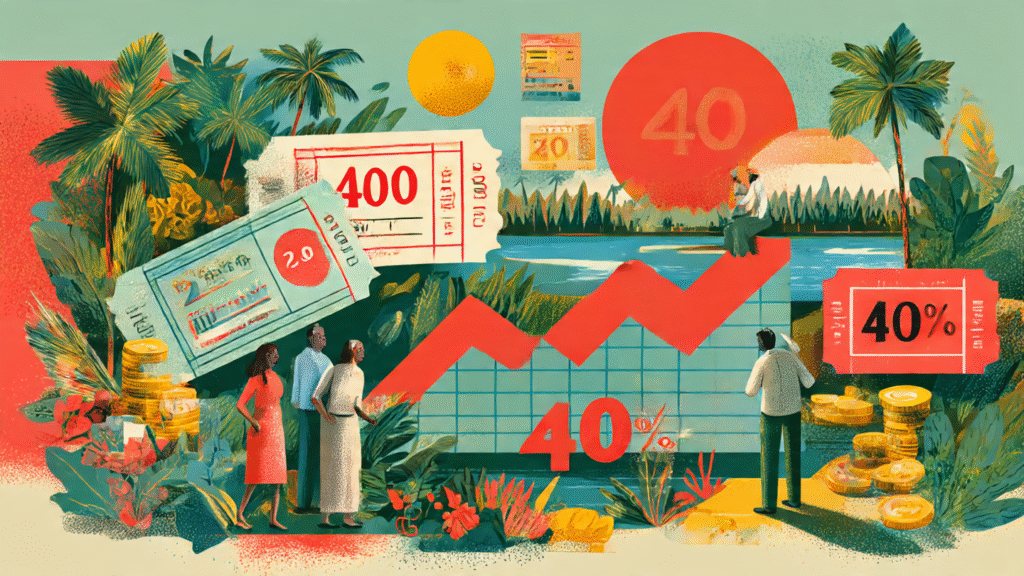
1. Ticket Prices Could Rise for Kerala Lottery Tax Hike
The biggest thing people will feel from the tax hike is that ticket prices will go up. If this tax is added to ticket costs, players may feel that tickets cost too much. This could mean fewer people buy tickets. The lottery needs a lot of people to play to work well.
2. Operators’ Profit Margins May Shrink
Lottery organizers will now need to pay more of what they make in taxes. This means they may not get as much money after tax. Smaller operators may find it hard to keep up with others, so they could decide not to try working in the market. This might keep new people and companies from joining.
3. Possible Decline in Sales
When prices go up, people start to act in new ways. There are some regular players who may not buy as many tickets. There are also some people who only play sometimes. They might choose not to buy a ticket at all. This drop in sales can take away the extra money the government thinks it will get from a higher tax.
4. Risk of Illegal Lotteries
High taxes sometime make people try unregulated or illegal lotteries. These can cost less than others but come with more risk. This is bad for people who play and for honest lottery businesses. It also can make a gap in the system that was not planned.
5. Impact on Welfare Programs
Kerala gets money from lottery sales to pay for things like education, healthcare, and social programs. If fewer people buy tickets because of higher taxes, there will be less money for these things. This can affect the people who need help the most.
Conclusion
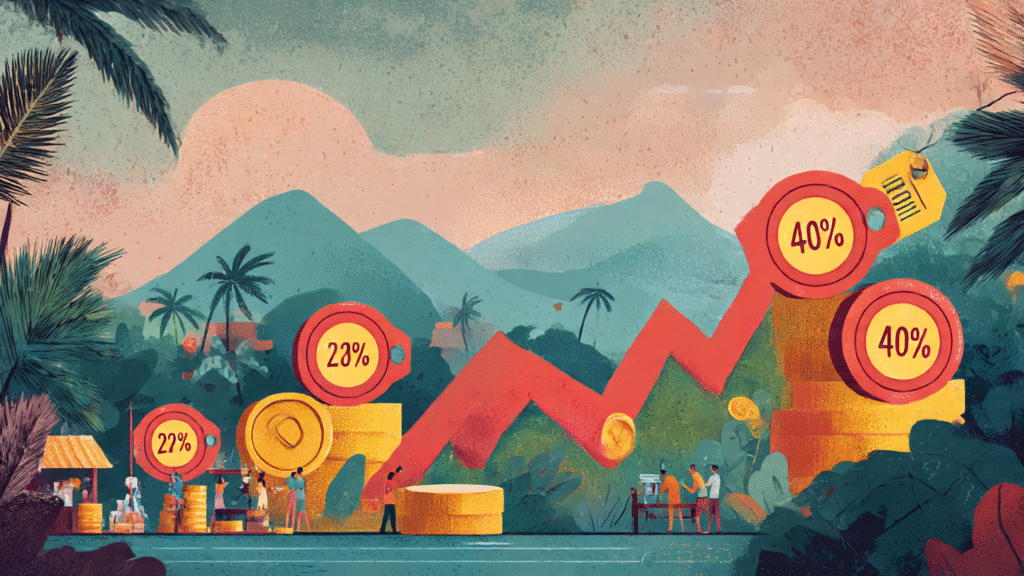
While the government might get more money for now, the future of Kerala’s lottery sector is at risk. It is important to balance the cost and make sure people can still afford lottery tickets. This will help the lottery keep going strong and keep helping state welfare programs.
In short, a tax hike might fix one thing but cause other problems. There is a fine balance between making more money and trying to keep the lottery fun for people who play.
FAQs: Kerala Lottery Tax Hike
1. Why is Kerala increasing the lottery tax from 28% to 40%?
The government aims to increase revenue from lottery sales to fund welfare programs, but it also needs to balance affordability for players.
2. Will the ticket prices rise due to this tax hike?
Yes, if the increased tax is passed on to consumers, lottery tickets are likely to become more expensive.
3. How will this affect lottery operators?
Operators will have to pay a larger portion of revenue as tax, reducing net profits. Smaller operators may struggle, and new entrants could be discouraged.
4. Could sales drop after the tax hike?
Yes, higher ticket prices may lead to fewer purchases, especially from regular and occasional players, potentially reducing overall sales.
5. Is there a risk of illegal lotteries increasing?
High taxes can push some players toward unregulated or illegal lotteries, which are cheaper but risky.

6. How will welfare programs be affected?
Kerala uses lottery revenue for education, healthcare, and social initiatives. Reduced ticket sales could impact funding for these programs.
7. Will the government still benefit from the tax hike?
In the short term, yes, revenue may increase. But long-term sustainability of the sector and welfare programs could face challenges.