
Middle Class Tax Burden in India: Rising Costs and Why Relief Matters
India’s salaried workforce is increasingly feeling financial pressure as a growing portion of their income goes toward taxes before it ever reaches their hands. The middle-class tax burden in India has become a central topic in economic discussions, reflecting the reality faced by millions of working families. Rising taxes combined with inflation are reshaping household budgets and long-term financial planning.
Why the Middle Class Carries a Heavy Tax Responsibility
Recent financial data shows that salaried individuals contribute a significant share of the nation’s income tax revenue. This highlights the essential role the middle class plays in supporting government spending and national development. However, this responsibility comes at a time when disposable income is shrinking due to higher living costs.
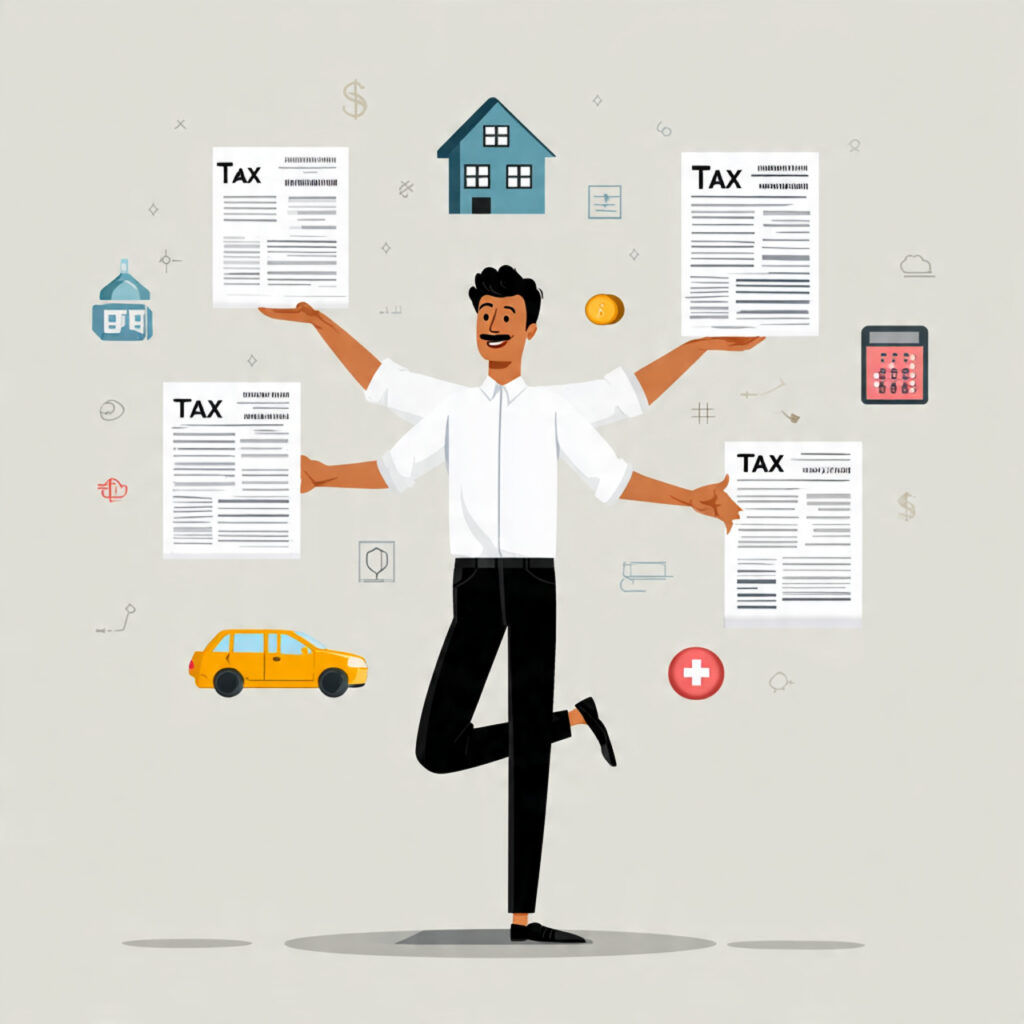
For many families, tax deductions leave limited room for savings, investments, or emergency funds. While taxation is a civic duty, the scale of contribution compared to rising expenses has intensified concerns about sustainability.
Inflation Is Increasing Everyday Financial Pressure
Inflation continues to impact nearly every aspect of daily life. Education expenses, rent, healthcare, groceries, and transportation costs are steadily climbing. Meanwhile, salary growth has not always matched this pace, creating a widening affordability gap.
The result is a financial squeeze where middle-class households must carefully prioritize essential spending. As living expenses rise, the middle class tax burden in India feels even heavier, reducing financial flexibility.
The Middle-Class “Sandwich Effect”
Many working families describe their situation as being caught between limited government benefits and high tax expectations. Unlike lower-income groups that receive targeted support or high earners with advanced tax planning options, the middle class often operates in a narrow financial margin.
This “sandwich effect” leaves families responsible for significant contributions while managing increasing personal expenses, making policy adjustments an important area of discussion.
Why Tax Relief Discussions Matter
Economic stability depends heavily on a financially secure middle class. Policy measures such as revisiting deduction limits or adjusting tax slabs could provide meaningful relief without reducing national revenue goals.
Strengthening middle-class purchasing power encourages consumption, investment, and economic growth — key drivers of long-term development.
A Balanced Path Forward: Middle Class Tax Burden in India
Addressing the middle-class tax burden in India is not about avoiding responsibility. It is about creating a fair and sustainable system that recognizes changing economic realities. When working families retain more financial stability, the broader economy benefits through increased spending and productivity.
As economic policies evolve, prioritizing middle-class sustainability ensures continued growth, resilience, and social balance

Frequently Asked Questions: Middle Class Tax Burden in India
Q: Why is the middle-class tax burden in India increasing?
A: Rising tax contributions combined with inflation and higher living costs have intensified financial pressure on salaried households.
Q: How does inflation affect middle-class families?
A: Inflation increases expenses such as housing, education, healthcare, and daily essentials, reducing disposable income.
Q: Can tax policy changes provide relief?
A: Adjustments in deductions or tax slabs could improve financial flexibility for working families.
Q: Why is middle-class financial stability important?
A: A stable middle class supports consumption, investment, and overall economic growth.
What are your thoughts on the growing financial pressure on working families? Share your perspective in the comments and join the conversation about creating a balanced future.