
Heavy rain can make it hard for people to go about their day. It can hurt the things we own and even put lives in danger. That is why severe rainfall alerts are so important. These alerts let people know what is coming and help them stay safe. Groups that watch the weather send out these alerts. This gives the community time to get ready, lower the harm, and act fast. The weather is changing in ways we can’t always guess, so it is more important than ever to know what is happening.
What is a Severe Rainfall Alert?
A severe rainfall alert is an official message. It tells people that there will be a lot of heavy rain in a certain area. The purpose of these alerts is to:
- Tell people about it before it happens
- Get help ready for emergencies
- Lower the chance for people to get hurt or lose things
These warnings usually tell schools, offices, and local authorities what they can do to lower the risks that come with waterlogging and flooding.
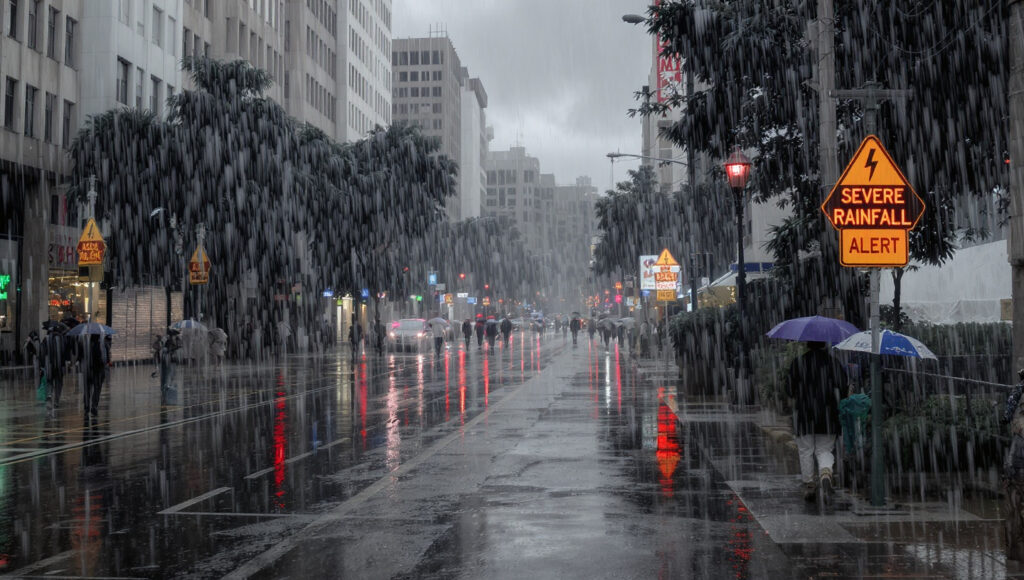
Causes of Severe Rainfall
Severe rainfall can occur due to multiple factors:
- Monsoons and Cyclones: Seasonal winds and storms bring concentrated rainfall over short periods.
- Low-Pressure Systems: These trap moisture in the atmosphere, leading to heavy rain.
- Climate Change: Rising temperatures intensify rainfall, making storms more severe.
- Local Geography: Valleys, rivers, and low-lying areas are more prone to floods during heavy rain.
Understanding these causes helps communities anticipate potential problems and act proactively.
Types of Rainfall Alerts
Meteorological departments categorize alerts based on severity:
- Yellow Alert: Moderate rainfall expected; stay cautious.
- Orange Alert: Heavy rainfall likely; avoid unnecessary outdoor activities.
- Red Alert: Extremely heavy rainfall; follow evacuation orders and stay indoors.
Using this color-coded system, citizens can respond quickly and appropriately.
Importance of Severe Rainfall Alerts
These alerts are essential because they:
- Allow timely evacuation in flood-prone regions
- Prevent accidents caused by slippery roads or waterlogging
- Protect crops, livestock, and infrastructure
- Help authorities plan rescue and relief operations efficiently
Ignoring such alerts can lead to severe consequences, both for individuals and communities.
Safety Measures During Heavy Rainfall
Being prepared is the key to safety. Here are important precautions:
At Home
- Keep emergency kits with food, water, medicines, and flashlights ready.
- Avoid standing near windows during heavy storms.
- Clear drains and gutters to prevent waterlogging.
Outdoors
- Avoid walking or driving in waterlogged areas.
- Stay away from electrical equipment to prevent shocks.
- Move to higher ground if floodwater rises suddenly.
While Traveling
- Check weather updates before leaving.
- Avoid low-lying roads prone to flooding.
- Follow traffic authorities’ instructions carefully.
By following these measures, you can significantly reduce risks during heavy rainfall.
Emergency Preparedness
- Emergency Contacts: Maintain a list of local authorities, hospitals, and rescue teams.
- Communication: Ensure phones are charged; keep power banks handy.
- Evacuation Plan: Know safe routes and nearby shelters in advance.
- Community Support: Help neighbors, especially elderly and children, during emergencies.
Being prepared not only protects you but also strengthens the community’s resilience.
Role of Technology
Modern technology has greatly improved severe rainfall warnings:
- Mobile Alerts: Apps and SMS notifications provide real-time updates.
- Radar & Satellites: Track rainfall intensity and movement efficiently.
- AI & Big Data: Predict rainfall patterns, enabling timely alerts.
Technology ensures that information reaches people before disaster strikes, giving them enough time to act.
How to Stay Updated
To stay safe, always keep yourself informed:
- Follow official websites like the India Meteorological Department (IMD).
- Enable notifications on weather apps like AccuWeather and IMD App.
- Listen to local news for flood and traffic updates.
- Join community WhatsApp groups for immediate local alerts.
Regular updates help you plan your day safely and avoid hazardous areas.
Conclusion
Severe rainfall alerts are not just warnings—they are lifelines. By paying attention to alerts, following safety measures, and preparing emergency kits, you can protect yourself, your family, and your property.
Remember, rainfall may be unpredictable, but your preparedness is within your control. Stay informed, stay cautious, and stay safe.
FAQ – Severe Rainfall Alert
Q1: What is a severe rainfall alert?
A severe rainfall alert is an official warning issued by meteorological departments when heavy rainfall is expected in a region. It helps people take necessary precautions to stay safe and minimize damage.
Q2: How are rainfall alerts categorized?
Rainfall alerts are generally color-coded:
- Yellow Alert: Moderate rainfall, minor precautions needed.
- Orange Alert: Heavy rainfall, avoid outdoor activities.
- Red Alert: Extremely heavy rainfall, follow evacuation orders and stay indoors.
Q3: Which areas are most affected by heavy rainfall?
Low-lying areas, riverbanks, valleys, and regions with poor drainage systems are more prone to flooding and waterlogging during heavy rainfall.
Q4: What safety measures should I take during severe rainfall?
- Keep emergency kits ready with water, food, and medicines.
- Avoid waterlogged roads and outdoor activities.
- Stay away from electrical equipment.
- Follow evacuation instructions if issued.
Q5: How can I stay updated about severe rainfall alerts?
- Follow official meteorological websites like the India Meteorological Department (IMD).
- Enable weather app notifications.
- Listen to local news and join community alert groups on WhatsApp or social media.
Q6: Why is it important to follow severe rainfall alerts?
Ignoring alerts can lead to accidents, property damage, and loss of life. Timely action based on alerts can save lives, protect property, and reduce disruption.
Q7: Can technology help in severe rainfall preparedness?
Yes. Mobile alerts, weather apps, radar systems, and AI-based forecasting help predict rainfall intensity and movement, allowing people and authorities to prepare in advance.