
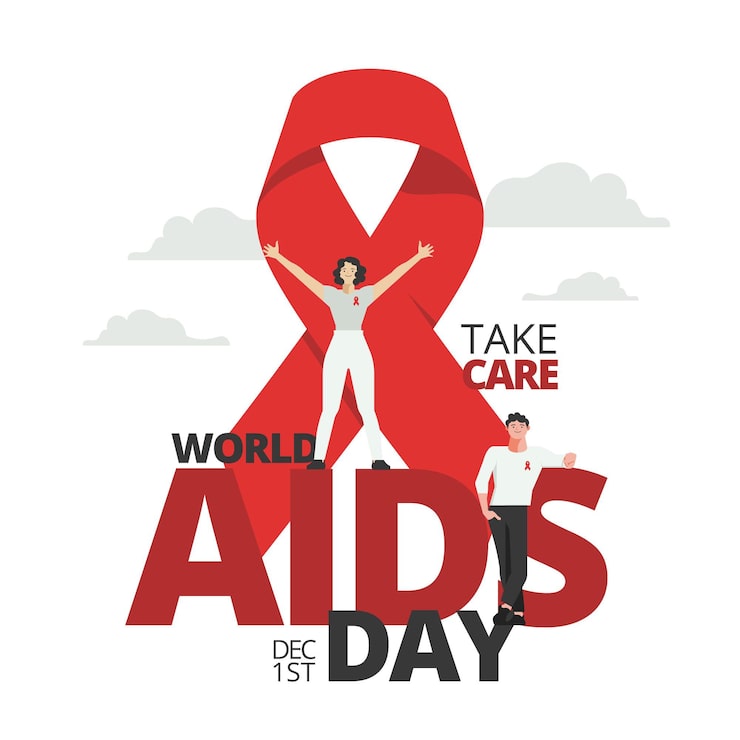
World AIDS Day is marked on December 1 every year, and it stands as a reminder that the world’s fight against HIV continues. This year’s theme, “World AIDS Day: Support, Educate, Empower,” highlights the need for collective responsibility, informed communities, and compassionate action. Despite medical progress and the availability of life-changing treatments, many people still face stigma, fear, and limited access to essential healthcare. The day calls on everyone to respond with understanding instead of judgment.
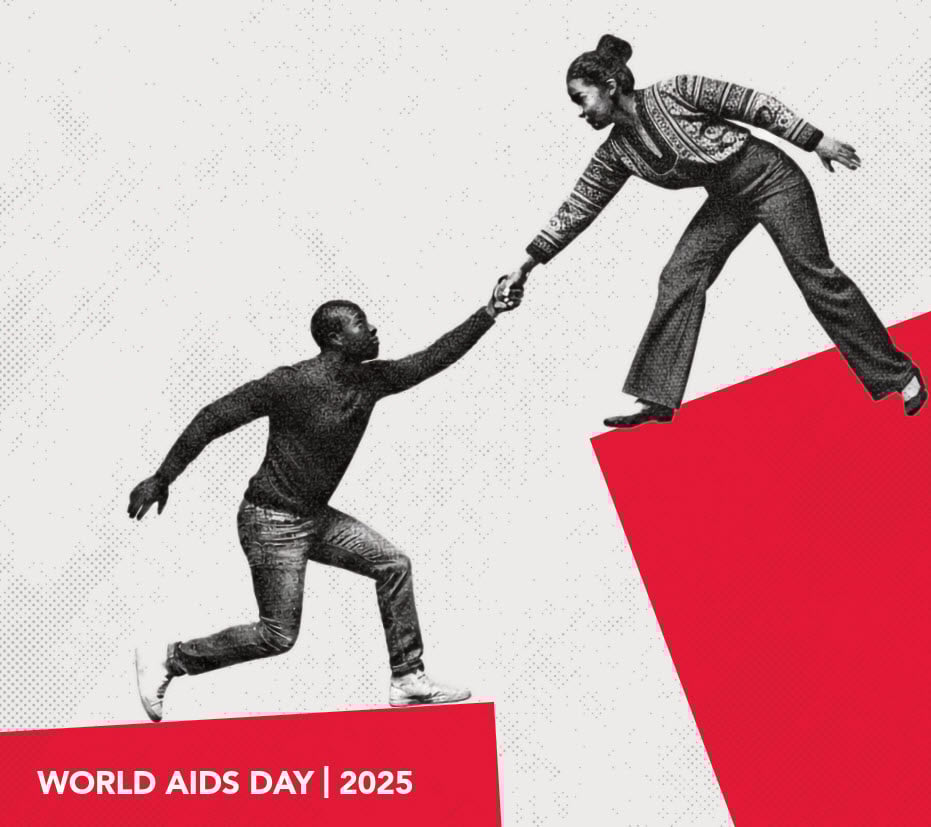
Support is the first key pillar. For someone diagnosed with HIV, the news can be overwhelming. Many worry about health, relationships, and how society will view them. Emotional support helps ease those fears. A simple conversation, a non-judgmental attitude, or reliable information shared at the right time can make a real difference. Support also means making homes, workplaces, and communities safe spaces where people living with HIV feel accepted and respected.
Clinical support remains crucial as well. Modern antiretroviral therapy lets people with HIV live long and healthy lives, but access still varies across regions. World AIDS Day encourages health systems to improve testing, treatment, and prevention programs. Global agencies continue to work on closing the treatment gap, especially for vulnerable populations. Supporting someone also means helping them reach clinics, guiding them through care, and promoting regular testing.
Education is the second pillar. Even today, many myths around HIV survive. Some still believe HIV spreads through casual contact, while others think only certain groups are at risk. These misunderstandings create fear and discrimination. Education removes confusion and replaces it with facts. When people learn how HIV spreads and how it doesn’t, communities respond with more empathy. Schools, digital media, and public health campaigns play a crucial role in disseminating verified information.
Education also builds awareness among young people. It encourages them to make informed choices and understand why early testing matters. When communities stay informed, they break down stigma and support healthier decisions.
Empowerment is the final pillar. It focuses on giving people the confidence, knowledge, and rights they need to manage their health. For someone living with HIV, empowerment can mean understanding treatment options, knowing their legal rights, and feeling comfortable seeking help without fear. It also includes strengthening the ability of healthcare workers, educators, and community leaders to guide others effectively.
A big part of empowerment is addressing stigma. Fear of discrimination stops many people from getting tested or seeking care. When people feel empowered, they stand up for themselves. When communities are empowered, they stand up for one another. When governments are empowered, they create fair policies and improve healthcare systems.
World AIDS Day: Support, Educate, Empower also reminds us that HIV is not just a medical issue. Social and economic factors such as poverty, lack of awareness, and gender inequality increase vulnerability. Women in many regions face a higher risk because of limited access to healthcare and social barriers. Young people often lack reliable information. Empowerment also involves addressing these deeper issues.
Even with progress, HIV remains a global concern. Millions still need treatment, and thousands are newly infected every day. World AIDS Day keeps global attention on the issue, honors the lives lost, and celebrates the progress made so far. The theme encourages everyone to take small but meaningful actions toward a healthier future.
This day is about people. It’s about the stories behind the numbers. When we support, educate, and empower, we create a world where people living with HIV can live with dignity. As we observe World AIDS Day, the message is clear: compassion, knowledge, and unity remain our strongest tools.
Conclusion
World AIDS Day: Support, Educate, Empower is not just an annual reminder. It’s a call for long-term commitment. Support reduces isolation. Education breaks myths. Empowerment transforms lives. Together, these pillars bring us closer to a future where HIV no longer carries fear or stigma and where every person has access to proper care and equal rights.
FAQs
1. Why is World AIDS Day important?
It raises global awareness about HIV, encourages testing and treatment, and highlights the need to support people affected by HIV.
2. What does the theme “Support, Educate, Empower” mean?
It promotes emotional and medical support, accurate information and the empowerment of individuals and communities to fight stigma and manage HIV effectively.
3. Can HIV be cured?
There is no cure yet, but modern treatments allow people with HIV to live long and healthy lives.
4. How can communities help reduce stigma?
By learning the facts about HIV, avoiding discrimination, supporting open conversations and encouraging testing.
5. How can individuals contribute on World AIDS Day?
By spreading awareness, sharing verified information, supporting local campaigns and showing kindness toward people living with HIV.